

The Power of Inner Dialogue: Awareness, Faith, And Emotional Healing

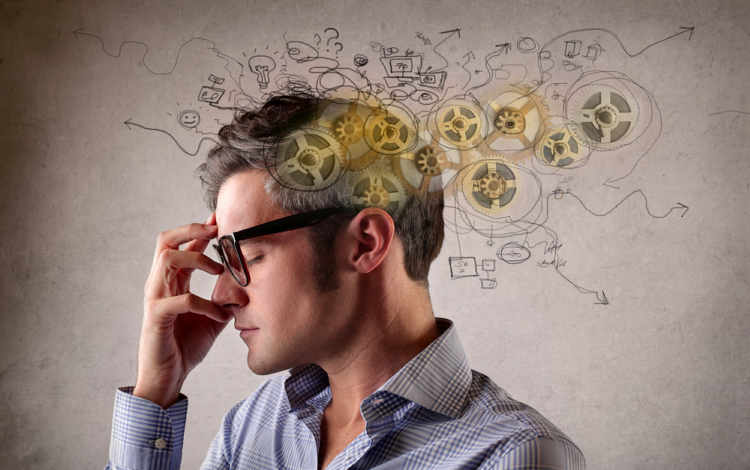
The Pain, My Ally?
Learning to Relate to Our Pain
There is no exact measure of pain.
There are no universal parameters or valid comparisons.
Each person experiences it in a unique way, in their own body, shaped by their own history and sensitivity.
The problem is not pain itself.
The real conflict lies in how we relate to it.
When pain appears—emotional, physical, or existential—we often resist it. We deny it, numb it, or rush it away. Yet pain that is not listened to does not disappear; it transforms into suffering.
Learning to relate to our pain begins with inhabiting the body.
With pausing.
With listening.
Asking ourselves honestly:
Where do I feel it?
Is it in my chest, my stomach, my throat?
Does it feel like pressure, emptiness, burning, exhaustion?
The body always knows.
The body speaks.
Awareness begins when we stop running and start listening attentively to what hurts—not to dramatize it, but to understand what it is pointing to. Pain does not appear to punish us; it appears to inform us.
There is a subtle yet essential difference between pain and suffering.
Pain is inevitable—it is part of the human condition.
Suffering arises when we resist pain, when we identify with it, when we turn it into an enemy.
From a deeper, even spiritual perspective, pain can be blessed. Not because it is pleasant, but because it serves a purpose.
It comes to tell us that something no longer resonates with who we are.
That a stage is coming to an end.
That a way of living, relating, or sustaining ourselves is no longer coherent.
Blessing pain is not romanticizing it.
It is recognizing it as a tool for transformation.
When we move through pain with awareness—emotional and embodied—something begins to shift. We attend to what hurts. We adjust. We let go. We change.
Pain then ceases to be an executioner and becomes a guide.
Perhaps the true learning is not to eliminate pain, but to learn how to walk with it without losing ourselves. To listen when it appears, to honor what it reveals, and to allow it to fulfill its function. When resistance softens, pain stops shouting.
It becomes a threshold.
It becomes a silent teacher.
And in that intimate gesture of acceptance, something within us reorders itself: the body softens, emotion finds its flow, and consciousness expands. Perhaps then we can look at pain directly and ask, without fear:
What are you here to show me today?



Responses