

How Living With CPTSD Has Made Me A Better Parent

Let me start by explaining what CPTSD is and what it isn’t.
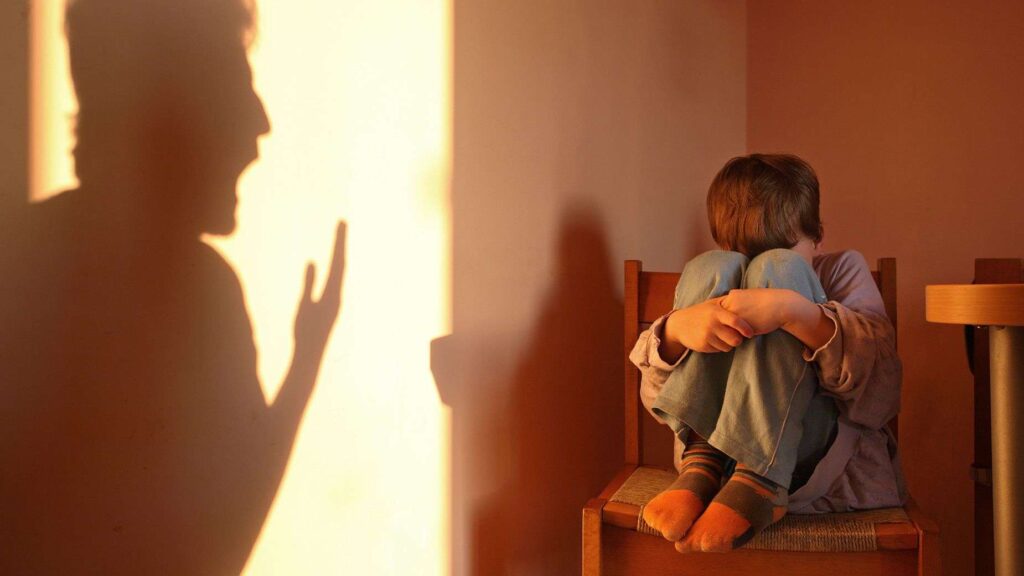
It’s not just PTSD. PTSD usually develops after a single traumatic event: a car crash, a natural disaster, or a violent incident. Complex PTSD (CPTSD), on the other hand, comes from prolonged, repeated trauma, often in childhood. It’s trauma that doesn’t just pay a visit; it moves in, rearranges the furniture, and locks the doors on your sense of safety.
Living with CPTSD means carrying emotional triggers, hypervigilance, and a deep fear of abandonment. It sounds like the opposite of the traits you’d want in a parent, right? But here’s the surprising thing: it’s also what has pushed me to parent differently, more intentionally, more empathetically, and more present than I might have been otherwise.
Hyper-awareness becomes an emotional radar.
CPTSD made me finely tuned to emotional shifts in people around me. Yes, that sensitivity can be exhausting, but as a parent, it’s also a superpower. I can sense when my child is upset before they even have words for it. I notice the small changes in tone, body language, or energy that signal something’s wrong. Instead of brushing it off, I lean in and help them name what they’re feeling.
Breaking cycles by choice, not chance
When you grow up in chaos, you know exactly what not to do. I’m deeply aware of the patterns I don’t want to pass down silence, shame, and unpredictability. I work hard to break them. Parenting with CPTSD means I don’t get to coast on autopilot. I have to consciously create the kind of safe, consistent environment I never had.
Modeling repair and honesty
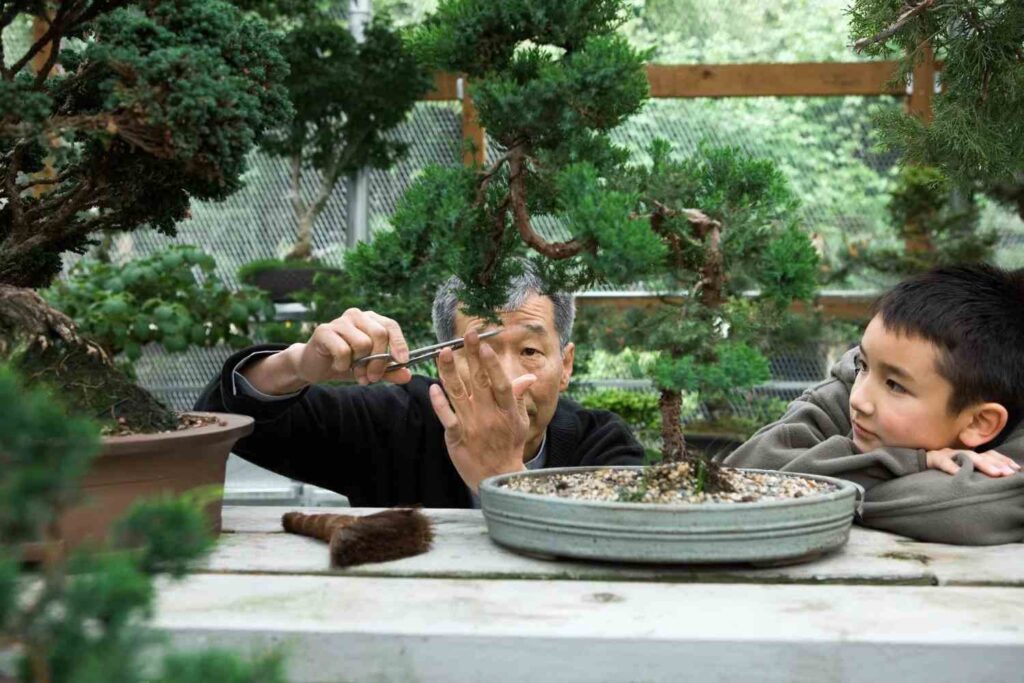
I don’t get it right all the time. No parent does. But CPTSD taught me that mistakes don’t define you; repair does. When I snap or shut down, I circle back and apologize. I explain my feelings instead of hiding them. My kid learns that it’s okay to have emotions, and it’s even more okay to own them and reconnect afterward.
Deep empathy
Perhaps the greatest gift CPTSD gave me as a parent is empathy. Because I know what it feels like to be small and scared, I work hard to ensure my child never feels unseen. I listen to her stories, even when they’re long or messy. I take their fears seriously. I try to make sure they know they are loved without conditions.
The paradox of CPTSD and parenting
Living with CPTSD isn’t easy; it tests me daily. Some days it feels like dragging invisible weights through ordinary life, fighting triggers, calming anxiety, reminding myself I’m safe when my nervous system swears otherwise. But even with all that, CPTSD has given me something unexpected. It sharpened my presence. It made compassion my default setting. And it gave me the drive to show up for my kid in ways no one showed up for me.
I don’t always get it right, but that’s not the point. The point is that my child grows up knowing safety isn’t a privilege, it’s a given. Love isn’t conditional, it’s steady. And repair is always possible. That’s the gift buried in the struggle: I get to break the cycle, and I get to do it in real time, with my kid as the proof that healing doesn’t stop with me.
I didn’t choose to live with CPTSD, and I wouldn’t wish it on anyone. But if gratitude can grow out of struggle, mine is this: it made me a better parent. It gave me the determination to raise my child with safety, honesty, and love, the same love I had, but this time grounded in the safety I never knew.


Responses