



Gratitude & Growth
Organizer:
- Organized by
-
-

What Makes You Worry The Most?
-
What Makes You Worry The Most?
Worry is a universal human experience. No matter who you are or where you come from, there are certain thoughts that can keep you up at night. For some, it’s about finances. For others, it’s relationships or health. But underneath the specifics, worry often comes from one common source: uncertainty.
The Fear of the Unknown
The human brain craves predictability. When the future feels uncertain, our minds rush to fill the gaps with worst-case scenarios. Questions like “What if I fail?”, “What if I lose them?”, or “What if I can’t handle this?” become loops that play endlessly. This fear of the unknown makes people worry about things they can’t control, from job security to global events.
Health and Loved Ones
For many, nothing triggers worry more than the well-being of family and friends. A child running a high fever, an aging parent’s health struggles, or even the thought of losing someone close can feel overwhelming. Unlike money or career, where effort can sometimes change the outcome, health often feels fragile and unpredictable. That lack of control feeds anxiety.
Failure and Self-Doubt
Another common source of worry is the fear of not being “enough.” People worry about failing exams, not meeting expectations at work, or letting down those who believe in them. These worries often link back to self-doubt—wondering if we’re capable, smart, or strong enough to handle life’s challenges. It’s not just about failure itself, but about what failure might say about who we are.
The Balance Between Caring and Overthinking
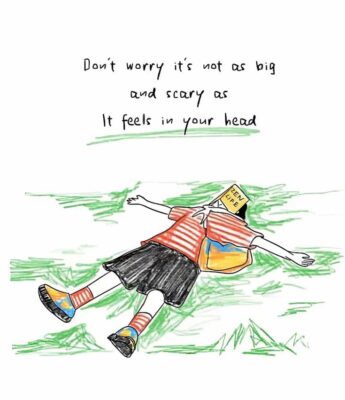
It’s natural to care about our future, our loved ones, and our goals. But when worry turns into constant overthinking, it can rob us of peace in the present. The irony is that most of the things we worry about never actually happen. Worry tricks the brain into believing it’s preparing us for danger, but more often, it just drains energy.
Finding Perspective
The key isn’t to eliminate worry altogether—that’s impossible. Instead, it’s about learning to notice it, question it, and put it in perspective. Sometimes asking yourself “Will this still matter in five years?” can shrink a worry down to size. Other times, simply talking to someone you trust makes the load lighter.
At the end of the day, what makes us worry the most is often a reflection of what matters most to us. And while worry may never disappear, learning how to manage it allows us to live more fully in the present.



Log in to reply.